
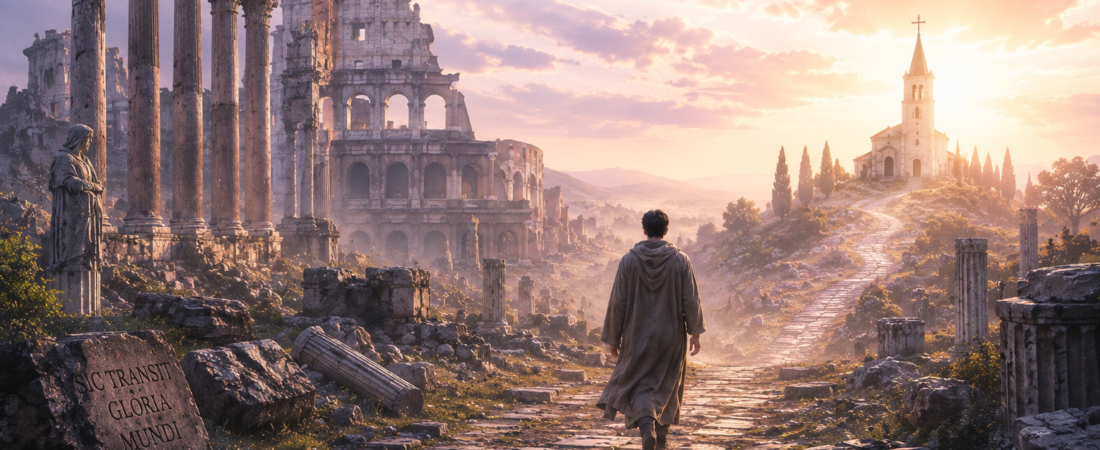
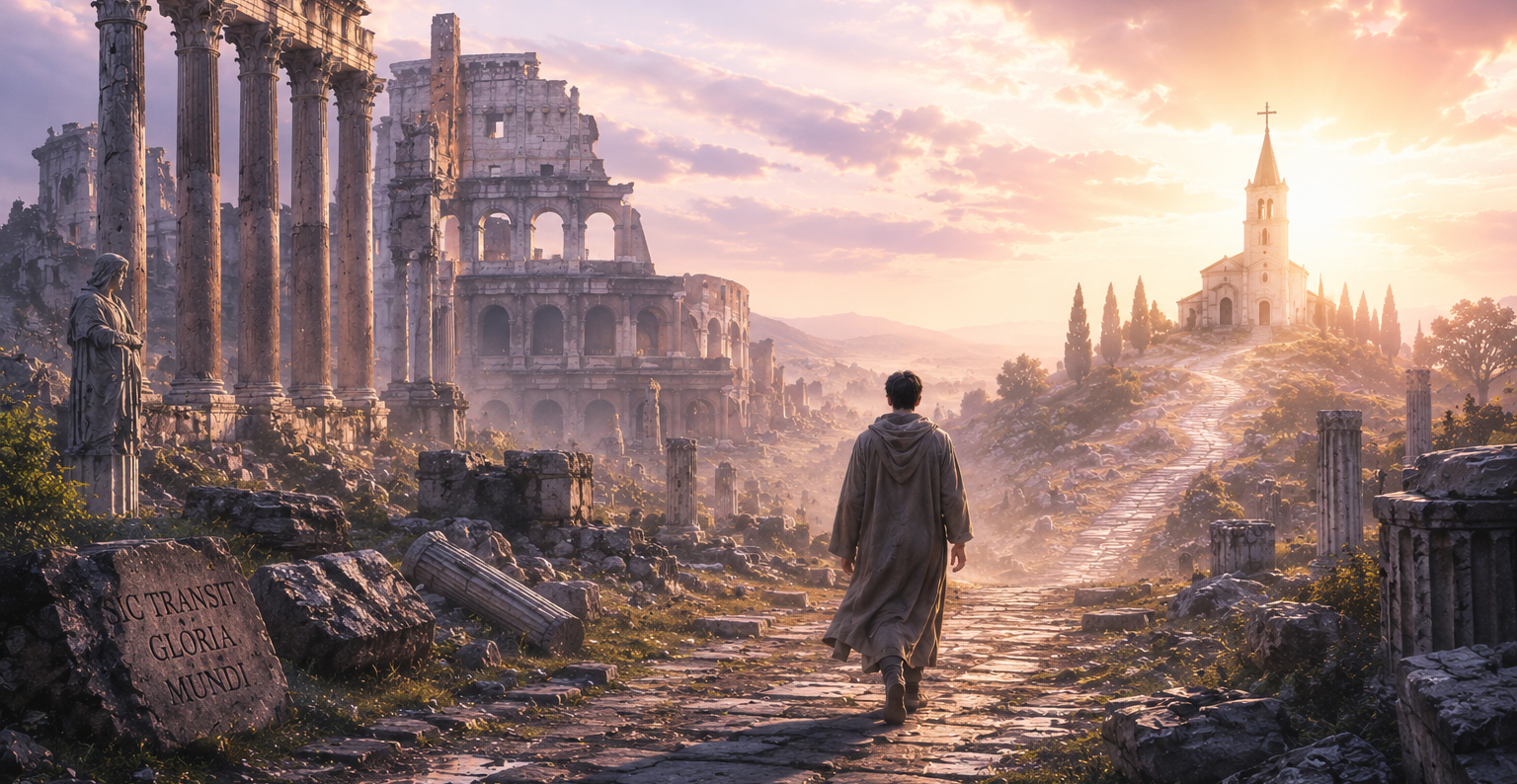
You have probably heard the famous quote: “Hard times create strong men. Strong men create good times. Good times create weak men. Weak men create hard times.” Whether the quote is historically ancient or not honestly does not matter much because people instinctively recognize the pattern.
History repeatedly shows civilizations rising through sacrifice, discipline, faith, and struggle then slowly collapsing under comfort, selfishness, excess, and loss of purpose. When you look deeper into this cycle, one thing becomes difficult to ignore: christianity historically acted as a moral anchor that helped societies survive prosperity without completely destroying themselves.
History Repeats the Same Cycle Again and Again
One of the most fascinating things about history is that civilizations often follow similar patterns. When a society struggles and survives hardship, strong people emerge through sacrifice, discipline, faith, and responsibility and those strong generations build peace, prosperity, stability, and comfort. Then something dangerous slowly begins happening: future generations inherit the comfort without fully understanding the sacrifice that created it. And over time, societies often drift toward selfishness, comfort, materialism, pleasure, spiritual emptiness, loss of discipline, weakening family structures and rejection of faith and tradition. Then eventually crisis returns and people begin searching for meaning again.
The Roman Empire
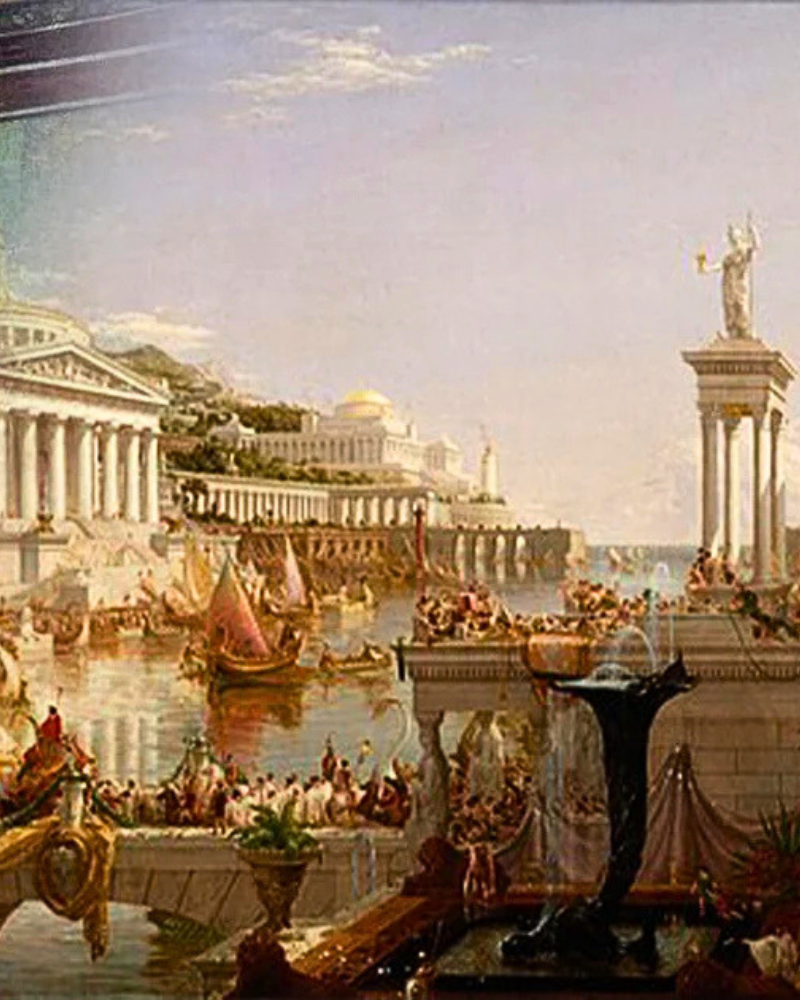
The Roman Empire is one of the clearest examples of this pattern. Early Rome became powerful through discipline, sacrifice, family structure, duty, and strong moral expectations. Romans valued courage, responsibility, honor, and service to something greater than themselves. But as the empire became wealthier and more comfortable, many historians observed growing corruption, political instability, obsession with pleasure, moral decline, and loss of civic virtue. People became spiritually exhausted and it was during this exact environment that Christianity began spreading rapidly because it offered something the empire could no longer provide (meaning, hope, moral clarity, purpose, brotherhood and eternal truth). While Rome slowly collapsed politically and morally, Christianity continued growing stronger.
After Rome Fell
When the Western Roman Empire collapsed, Europe entered centuries of instability (invasions, famine, violence, political fragmentation and economic collapse). Christianity became one of the major forces holding society together. Monasteries preserved knowledge, churches helped communities survive and Christian institutions cared for the poor, sick, and vulnerable. While governments collapsed, Christianity remained. This is something many people forget: Christianity did not only influence personal spirituality, it helped preserve civilization itself.
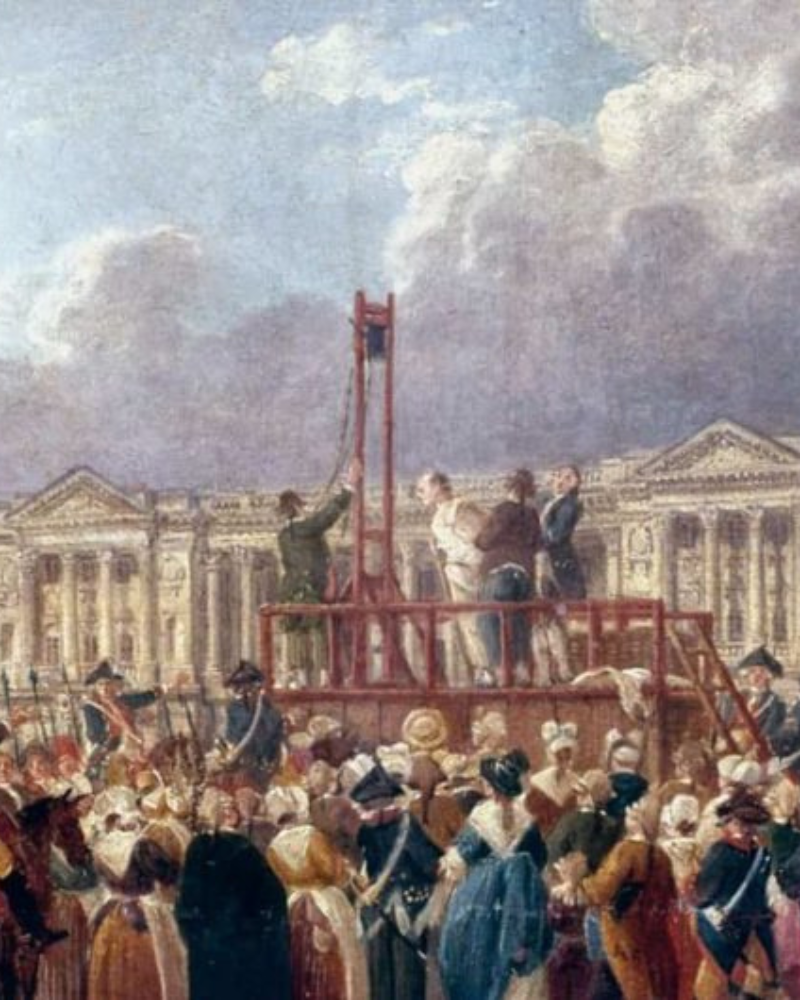
The French Revolution and the Rejection of Christianity
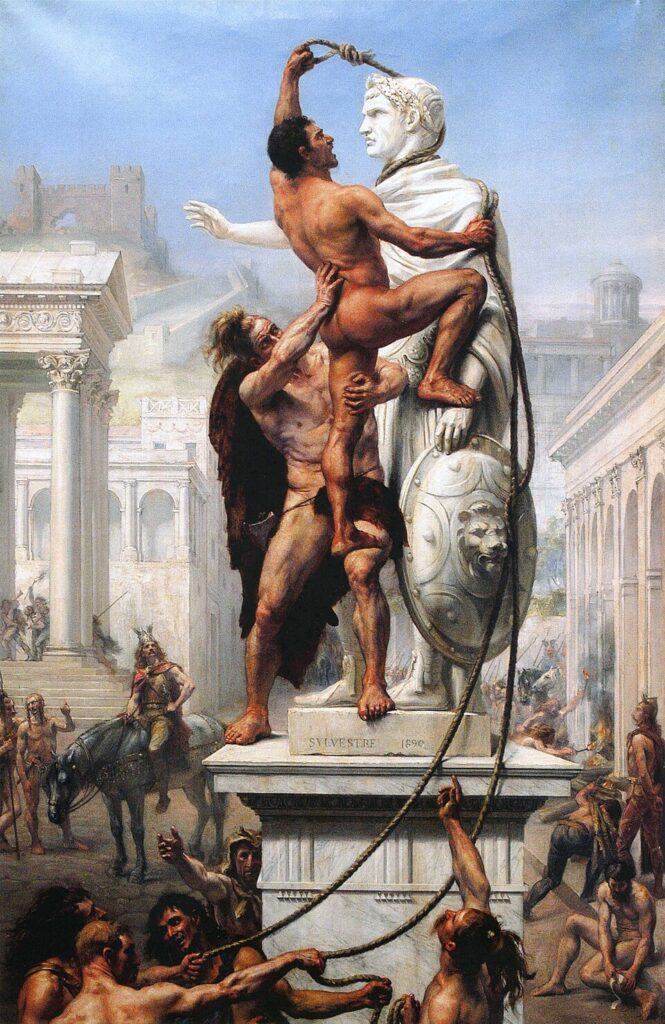
Another interesting example appeared during the French Revolution. As parts of society became increasingly secular and disconnected from traditional Christian values, revolutionary movements began attacking religion directly. Churches were desecrated, Christian symbols were destroyed and attempts were even made to replace Christianity with purely political ideologies. At first, many believed removing Christianity would create a freer and more enlightened society. Instead, France entered periods of violence, executions, instability, and chaos. Eventually, many people realized that removing religion did not remove humanity’s spiritual hunger. People still searched for meaning, morality, purpose, and hope.
Communist Governments Often Attacked Christianity First
Why Christianity Was Often Attacked First
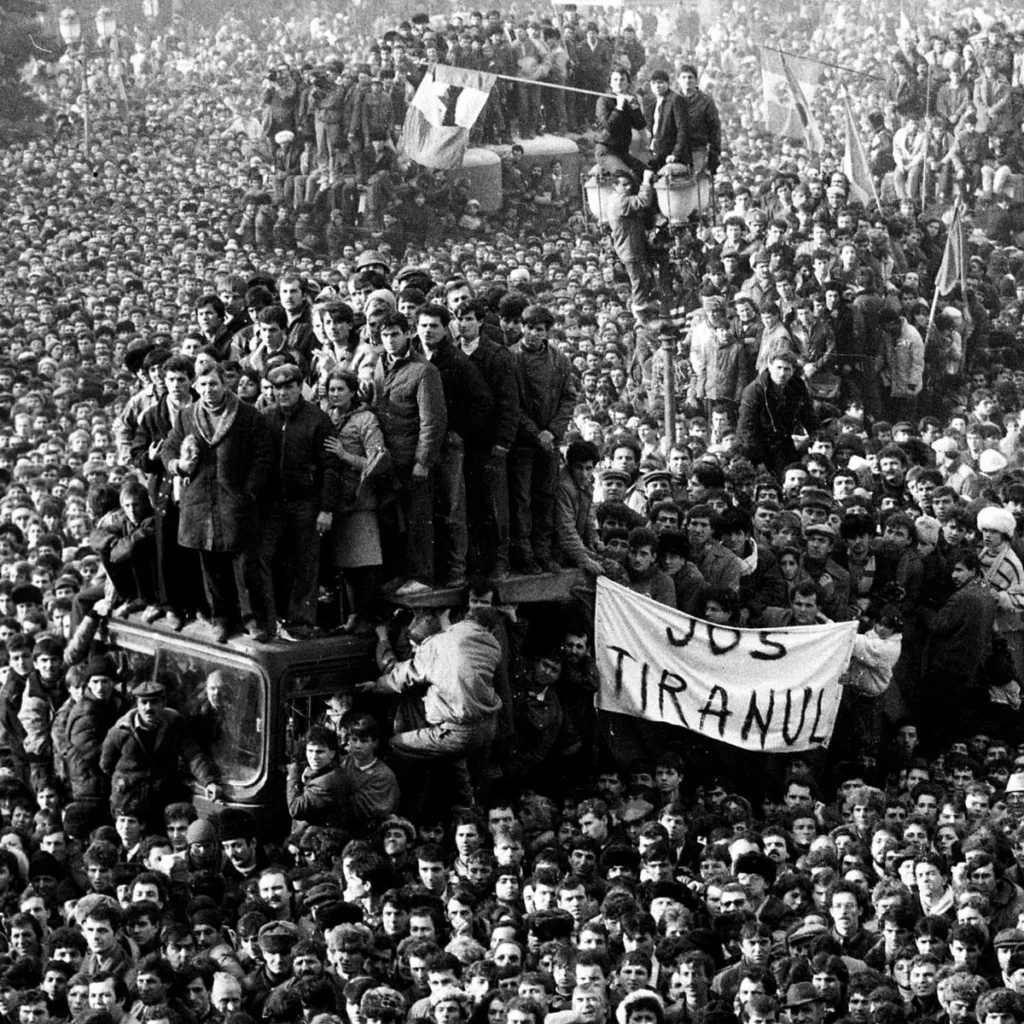
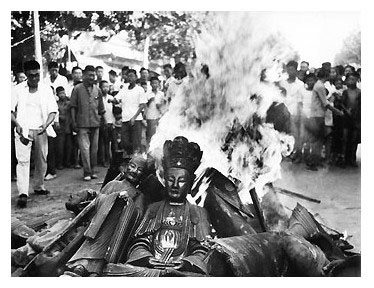
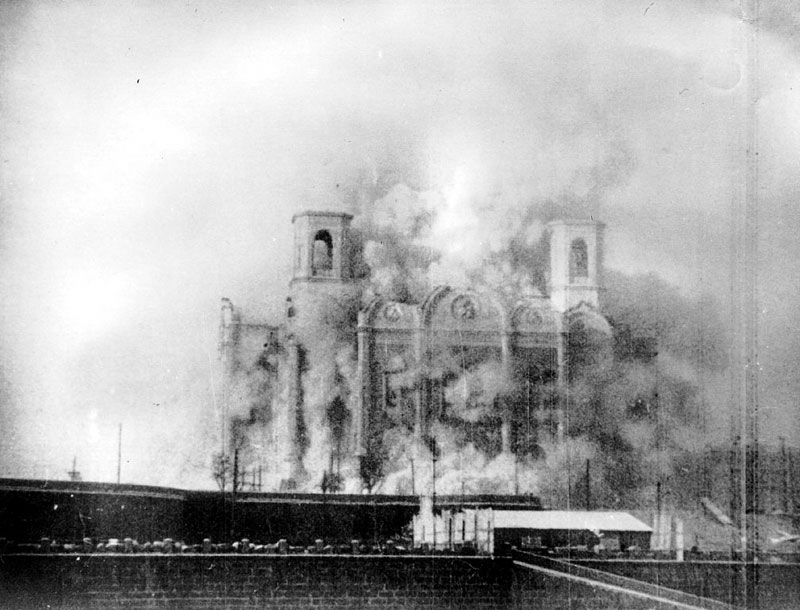
One of the strongest historical patterns is that many communist governments immediately targeted Christianity after gaining power. This happened in places like Soviet Russia, Romania, China and other Eastern European communist states.That happened because Christianity represents loyalty to something higher than the state. In several communist societies churches were closed, priests were imprisoned (some were also killed), Bibles were restricted, Christians were persecuted and religious education was removed. Why? Because faith gives people an independent moral structure. A Christian who truly believes in God cannot fully worship political power, ideology, or the state itself.
“No one can serve two masters. Either you will hate the one and love the other, or you will be devoted to the one and despise the other. You cannot serve both God and money.” (Matthew 6:24, NIV)
Historically, Christianity also created strong communities and families that resisted total control. That is why removing Christianity was often seen as necessary before completely reshaping society. Once many communist systems weakened or collapsed, Christianity often returned strongly again. People who had lived under systems focused only on materialism and political ideology realized that humans need more than economic survival. Humans need meaning.
Christianity Protected Society in Ways Many People No Longer Notice
One reason societies weaken after abandoning Christian values is because Christianity quietly reinforced behaviors that kept civilizations stable. Christianity encouraged strong families, sacrifice for children, caring for future generations, humility, self-control, charity, personal responsibility, forgiveness and moral accountability.
When these values disappear, societies often become increasingly centered around individual pleasure and short-term comfort. And eventually, future generations pay the price.
Why Hard Times Often Create Stronger People
People become stronger when life forces them to depend on something greater than comfort. Hard times force sacrifice, discipline, courage, family unity, resilience, faith and humility. When survival is difficult, that is often where faith grows strongest because people naturally begin asking bigger questions:
- Why are we suffering?
- What gives life meaning?
- What is worth sacrificing for?
- What is truly good?
- What happens after death?
Throughout history, Christianity thrived most powerfully during persecution, poverty, war, instability, and suffering. Not because Christians enjoyed suffering, but because suffering exposes how fragile worldly comfort really is.
Christianity Helped Build Stable Societies
One thing modern society often forgets is that Christianity did not only shape personal spirituality, it shaped civilization itself. Christian values helped establish ideas like:
- forgiveness
- charity
- self-sacrifice
- humility
- marriage stability
- care for the poor
- hospitals
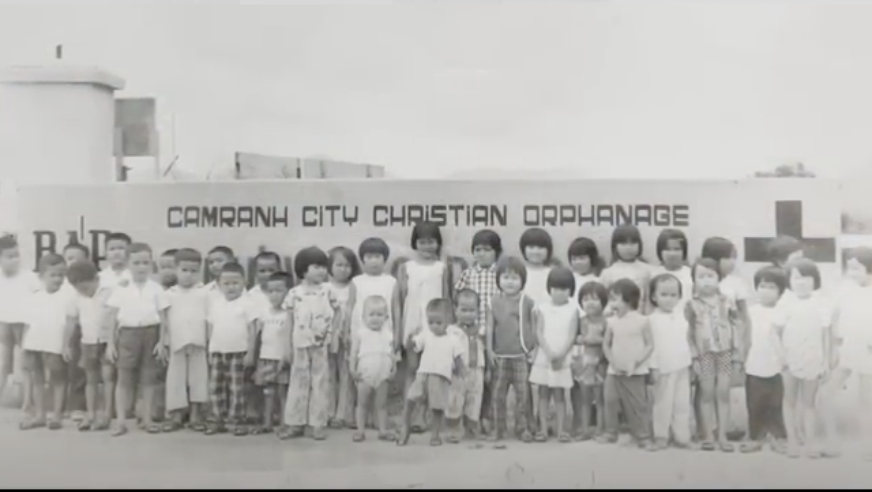
- orphanages
- human dignity
- responsibility toward future generations
Christianity constantly taught people: “You are not the center of the universe.” That matters more than people realize. When an entire society stops believing in sacrifice, duty, and moral accountability, something dangerous slowly happens: everyone begins living mainly for themselves.



The Problem With Comfort Without Purpose
The “good times create weak men” idea is really about what happens when comfort removes the need for discipline. When generations grow up without major hardship, many begin assuming:
- comfort is normal
- pleasure is the goal
- sacrifice is oppression
- discipline is unnecessary
- tradition is outdated
- responsibility is optional
And eventually society becomes centered around “my happiness”, “my pleasure”, “my identity”, “my success”, “my comfort” instead of family, community, sacrifice, God and future generations. That shift changes entire cultures. But humans were never designed to live only for themselves. And that is why many people (especially younger generations) are beginning to rediscover Christianity again.
What Happens When Society Loses Christian Values
When Christianity fades from a culture, the effects are not always immediate. In fact, societies often continue enjoying the benefits created by previous generations for a while. This is where the “good times create weak men” idea becomes very relevant. Many modern societies were built by generations that valued marriage, sacrifice, hard work, community, discipline, faith and raising children responsibly. But later generations inherited the comfort without necessarily keeping the values that created it. And slowly, problems begin appearing: loneliness, family collapse, depression, loss of purpose, declining birth rates, selfishness, addiction, identity confusion and extreme individualism.
People still hunger spiritually but without God, many begin trying to fill that emptiness with consumerism, status, politics, pleasure, social media validation and endless entertainment. Yet none of those things truly satisfy the human soul for long.

The “Me Generation” Problem
One criticism often made about modern Western culture is that many people became focused primarily on personal comfort and self-fulfillment. Previous generations often endured hardship to build stable homes, communities, and futures for their children. But in highly individualistic cultures, the mindset can slowly shift toward: “I just want to enjoy my life.” Without strong Christian values emphasizing sacrifice and responsibility, future generations can become less important than personal comfort in the present moment. This creates a dangerous cycle, people stop building for the future because they stop seeing life as something larger than themselves.
Christianity Gives Meaning During Hard Times
One reason Christianity has survived persecution, wars, collapses, and empires is because it gives suffering meaning. Without faith, suffering often feels pointless. Christianity teaches:
- suffering can produce growth
- sacrifice has value
- love requires self-denial
- hardship is temporary
- human dignity comes from God
- hope exists beyond this world
That worldview creates stronger individuals and stronger societies. Not perfect societies or sinless societies but societies where people still believe that duty, family, truth, morality, sacrifice and future generations matter.
The Cycle Always Returns to the Same Question
History repeatedly shows that comfort alone cannot sustain civilizations forever. At some point, every generation must answer:
- What is worth sacrificing for?
- What gives life meaning?
- What holds society together?
- What happens when people stop believing in anything greater than themselves?
And throughout history, Christianity has repeatedly reappeared during moments of suffering, collapse, confusion, and spiritual emptiness because it answers those questions in a way material comfort never fully can.
The Final Question
The “hard times create strong men” cycle is not really only about physical strength. It is about spiritual and moral strength, the ability to sacrifice and endure hardship without collapsing into selfishness and despair. Historically, Christianity played a major role in teaching those virtues.
When societies lose faith entirely, they often do not become freer or happier forever. Many slowly become spiritually empty, fragmented, and directionless because humans were never designed to live only for comfort. At some point, every civilization eventually has to answer the same question: “What are we living for?”





Leave a Reply